Bed bugs punish indecision. By the time most people admit they have a problem, they have already replaced a mattress, lost sleep, and bought two different sprays that did nothing but smell up the room. I hear the same thing on many calls: we need this gone, and we need it affordable. Cheap bed bug extermination that still works is possible, but the savings come from smart planning, choosing the right method for the space, and hiring a professional bed bug exterminator who runs lean without cutting corners.
What “cheap” really means with bed bugs
Cheap is not just the lowest price on a quote. Cheap is the lowest total cost to eradicate and keep them gone. If a bargain bed bug extermination drags on for three visits, ruins furniture, and fails to catch insects in a neighbor’s shared wall, that is not cheap. The value choice is the method and provider that solves the infestation with the fewest visits, the least disruption, and a real warranty.
Price anchors vary by region, unit size, and infestation level, but you can use a few rough ranges to orient:
- Bed bug inspection and treatment packages for a one bedroom often land between 450 and 1,200 dollars for chemical based programs, typically two to three visits. Bed bug heat treatment for a single apartment might run 900 to 1,800 dollars, a whole house can be 1,500 to 3,500 depending on square footage and clutter. Bed bug fumigation with structural tenting is the most expensive, often 2,500 to 6,000, reserved for heavy, widespread infestations or certain commercial settings.
These ranges overlap because quality and scope drive price more than method labels. A careful bed bug control company that inspects thoroughly, scopes realistically, and sets expectations often beats a discount operator who rushes and under treats.
What drives cost, and how to nudge it down
Three variables push price up: how far the bugs have spread, how hard Extra resources it is to reach their harborage, and how much cooperation the occupants can give. A lightly infested studio with a responsive tenant is inexpensive to treat. A cluttered multi room unit with heavy activity along baseboards, outlets, and box springs is not.
On a recent job in a garden level apartment, the tenant had already laundered all clothing, sealed it in bins, and decluttered non essentials. We completed a bed bug heat treatment in a single day, added a light residual application on bed frames, and the total bill came in 28 percent lower than a similar unit in the same building where we spent half a day moving stacks of boxes away from baseboards.
If you want to make bed bug treatment cheaper without compromising results, focus on preparation, access, and follow through. Professionals can handle the heavy lifting, but when you pre sort laundry, reduce clutter, and pull beds from walls before a visit, you reduce labor hours, and labor is what you are paying for.
When cheap becomes expensive
There are places you do not want to economize. One is inspection. A professional bed bug inspection service that moves methodically, checks headboards, bed frames, couch seams, electrical plates, and secondary rooms, then documents findings with photos, frequently cuts a week off the timeline. When a bed bug inspection and treatment begin the same day, it is because the scope was clear and the client approved a plan that made sense.
Another is product selection. Discount chemicals with low residual power or high repellency can scatter bed bugs deeper into walls. A good bed bug chemical treatment favors products with proven residuals, rotated for resistance management, and applied in targeted crack and crevice patterns. The label is the law. If a provider cannot name the products they use and explain why they chose them, that is a red flag.
Finally, do not pay for square footage you will not heat. Some operators flat price whole home heat jobs even when bed bugs exist in a single suite. A competent local bed bug exterminator can zone heat, isolate rooms, and pair heat with limited chemical barriers to save cost without losing control.
Comparing the main treatment options
Each method has a cost profile and a risk profile. Matching them to the space and situation is where experience shines.
Heat treatment. Bed bug heat treatment uses specialized heaters and fans to raise air and core furniture temperatures into the lethal range, usually 125 to 140 degrees Fahrenheit, for several hours. The advantage is speed. It kills all life stages in one visit if temperatures are uniform, even eggs that some chemicals miss. It is ideal for cluttered areas and sensitive clients who want a non toxic bed bug extermination option. Risks include heat sensitive items that need to be removed or insulated, and thermal shadows if a technician does not set the airflow correctly. Heat is often the best value for a well prepped apartment or a single family bedroom cluster, especially when paired with encasements and light residuals.
Chemical treatment. A bed bug chemical treatment relies on a sequence of applications, often two to three visits two weeks apart. It requires precision and cooperation. Done right, it is cost effective, especially for early infestations or budget constrained clients. The technician will usually combine a non repellent for cracks, a dust for voids and outlets, and an Insect Growth Regulator for long tail control. It is slower than heat but cheaper up front. It works best when tenants reduce clutter, launder thoroughly, and avoid moving untreated items between rooms.
Fumigation. True bed bug fumigation with a structural tent introduces a gas that penetrates inaccessible harborages. It is comprehensive and expensive. Most residential jobs do not require it, but for multi unit buildings with chronic, building wide bed bug eradication needs, or for commercial warehouses, it can be the only clean reset. Some operators market room sized “fumigation” using portable chambers for belongings. Those can be cost effective add ons to protect electronics, books, or sensitive items during a larger program.
Integrated or hybrid approaches. The most cost efficient bed bug pest control service often mixes tools. One example is heat on the sleeping room, residuals on baseboards throughout, and dust in outlets and wall voids near shared walls. Another is chemical only in low level infestations combined with encasements and monitors. The right hybrid can shave hundreds off a bill while keeping kill rates high.
Here is a simple method comparison at a glance:
| Method | Typical cost range | Speed | Pros | Cons | | --- | --- | --- | --- | --- | | Heat treatment | 900 to 3,500 | Same day | Kills all stages, non toxic, minimal repeat visits | Prep sensitive items, risk of thermal shadows if poorly set | | Chemical program | 450 to 1,800 | 2 to 6 weeks | Lower upfront cost, flexible scheduling | Requires multiple visits and strict prep, some resistance patterns | | Fumigation | 2,500 to 6,000 | 1 to 2 days | Whole structure penetration | Highest cost, logistics heavy | | Hybrid | 700 to 2,500 | 1 to 3 weeks | Tailored to budget and layout | Requires skilled planning and follow through |
Ranges vary by market and provider.
How to choose an affordable bed bug exterminator without gambling on quality
Focus on evidence and structure, not slogans. A reliable bed bug exterminator will speak concretely about inspection findings, product names, and the order of operations. They should offer a written scope, prep sheet, and a clear warranty. A trusted bed bug exterminator does not mind you asking how they handle re treatments or what happens if bed bugs show in a neighboring unit.
You are not hiring a logo. You are hiring a person who will spend hours in your bedroom dismantling a frame and dusting outlets. Ask who is coming to the job and how many hours they have in the field. Licensed bed bug exterminator status matters, but so does repetition and focus. Bed bug specialists who run bed bug jobs every week move faster, miss less, and usually finish in fewer visits, which saves money.
Pay attention to communication style. The best bed bug exterminator for budget conscious clients explains trade offs. For example, they might say, we can save 300 dollars if we skip whole unit heat and run chemical plus encasements, but you will need two follow ups and to accept a longer timeline. That is honest and actionable.
If you are scanning search results for bed bug exterminator near me, look for signs of process. Reviews that mention inspections that felt thorough, furniture disassembly, vacuuming and steaming as part of the service, and technicians who set interceptors and came back on schedule are good indicators. Be cautious with ads that push same day bed bug exterminator promises without specifying method. Same day is great, but speed without structure burns money.
Five smart ways to keep price low without cutting corners
- Schedule a professional bed bug inspection service first, then authorize targeted treatment the same day if the scope is clear. Handle laundry and decluttering before technicians arrive, seal clean items in bins, and keep them isolated until after final clearance. Ask for a hybrid plan that uses heat on the core sleeping area and residual dusts and liquids in peripheral rooms. Use mattress and box spring encasements and install passive monitors or interceptor cups after treatment to catch stragglers early. Coordinate with property management or neighbors in multi unit buildings to inspect shared walls, which prevents reinfestation and repeat costs.
Preparation, the hidden lever for affordability
Preparation is the unglamorous work that turns a 6 hour visit into a 3 hour one. Good bed bug removal services include a prep sheet. The details matter more than the brand of spray.
Bagging and laundering. Clothing, linens, and soft items should be laundered on hot cycles, then dried on high heat for at least 30 minutes. Place finished items in new bags or clean bins and store them in a room scheduled for last treatment, ideally the bathroom, which has minimal fabric harborages. Do not carry untreated items from room to room.
Furniture access. Move beds and couches 6 to 12 inches from walls. Disassemble bed frames so the technician can treat joints, headboards, and slats. Remove drawers from nightstands. If you cannot physically lift or move items, discuss this with your provider. Many experienced bed bug extermination companies can add a small labor charge to handle heavy items, still cheaper than a failed visit.
Clutter reduction. The goal is to expose baseboards, outlet plates, and furniture seams while keeping the order of items consistent. Do not pile belongings in new stacks. When everything is staged with labels and spacing, a professional moves like a surgeon.
Electronics and valuables. Heat sensitive items like candles, plastics, certain instruments, and some electronics need to be removed or insulated from direct heat. A careful bed bug heat treatment near me offering should provide a checklist and tape off sensitive zones. For chemical only jobs, place valuables aside so the technician has clear lines to baseboards and voids.
What to expect on the day of service
A professional bed bug removal service starts with a walkthrough and confirmation of prep. For heat, technicians place remote sensors in representative locations, including the coolest spots, like near exterior walls or under heavy furniture. Fans get staged to break up thermal shadows. During ramp up, a good operator moves through the space with an infrared thermometer, checks dresser backs, and flips couch cushions. Expect 4 to 8 hours depending on size. After the dwell time, they open windows and doors to cool the space and start the post heat inspection. Light residual applications to bed frames and baseboards are common.
For chemical programs, the day one visit is slower, focused on contact kill plus long term barriers. A conscientious bed bug pest control service will use vacuums with HEPA filters to remove visible insects and debris, steam where appropriate, then apply non repellents in cracks and crevices, dusts in outlets and wall voids, and targeted liquids at baseboards and bed frames. Expect 1.5 to 4 hours for a one to two bedroom unit. Follow ups are shorter, mostly inspections with touch up applications.
Professionals often leave interceptor devices on bed and couch legs, or recommend passive monitors and encasements. These are inexpensive, and they pay for themselves in faster clearance and fewer call backs.
Special cases that influence price
Apartments. In multi unit buildings, a local bed bug exterminator must coordinate with management. Shared walls and hallways create highways for bed bugs. Inspections of at least two units on either side and above and below reduce repeat visits. It may cost a little more upfront but saves far more than treating the same unit twice.
Hotels and offices. A commercial bed bug exterminator builds plans around downtime. For hotels, same day bed bug extermination with heat keeps rooms rentable. For offices, chemical spot treatments and focused heat on upholstered areas during off hours control cost while avoiding disruption. Documentation matters. Commercial clients should expect treatment logs and a map of units inspected.
Cluttered or hoarded environments. Cutting corners in these spaces leads to failure. Pair bed bug treatment service with limited cleanup support. Some providers offer a bed bug cleanup service or bed bug sanitation service for a modest fee. Even two hours of debris removal along baseboards can move a job from impossible to efficient.
Sensitive occupants. If you need non toxic bed bug extermination, discuss green bed bug treatment options. Heat plus silica dust is a strong, chemical light path. There are organic bed bug treatment products, but the word organic does not guarantee effectiveness. Demand evidence and a plan.
DIY, where it helps and where it hurts
There is a role for homeowner effort. Laundering, encasements, interceptors, and limited use of desiccant dusts according to label can support a professional plan. Vacuuming seams and baseboards before service removes live insects so residuals work on the next wave. Steamers can assist if used correctly, slow passes that keep the surface at lethal temperatures long enough.
Where DIY hurts is in scatter sprays and foggers. Over the counter foggers do little for bed bugs and often drive them deeper into walls. Repellent sprays used along baseboards can create barriers that keep bugs inside the bed frame or couch, exactly where you sleep. If you must bridge time before a scheduled visit, focus on interceptors, laundering, and reducing harborage, not chemical improvisation.
Timelines, guarantees, and how to read them
Quality providers do not hide behind fine print. A guaranteed bed bug removal warranty should outline what is covered, for how long, and what cooperation is required. Common terms include a 30 to 90 day guarantee from the last service date, contingent on prep compliance and no introduction of untreated second hand furniture. Shorter warranties can still be fair if the price reflects it and the infestation was light.
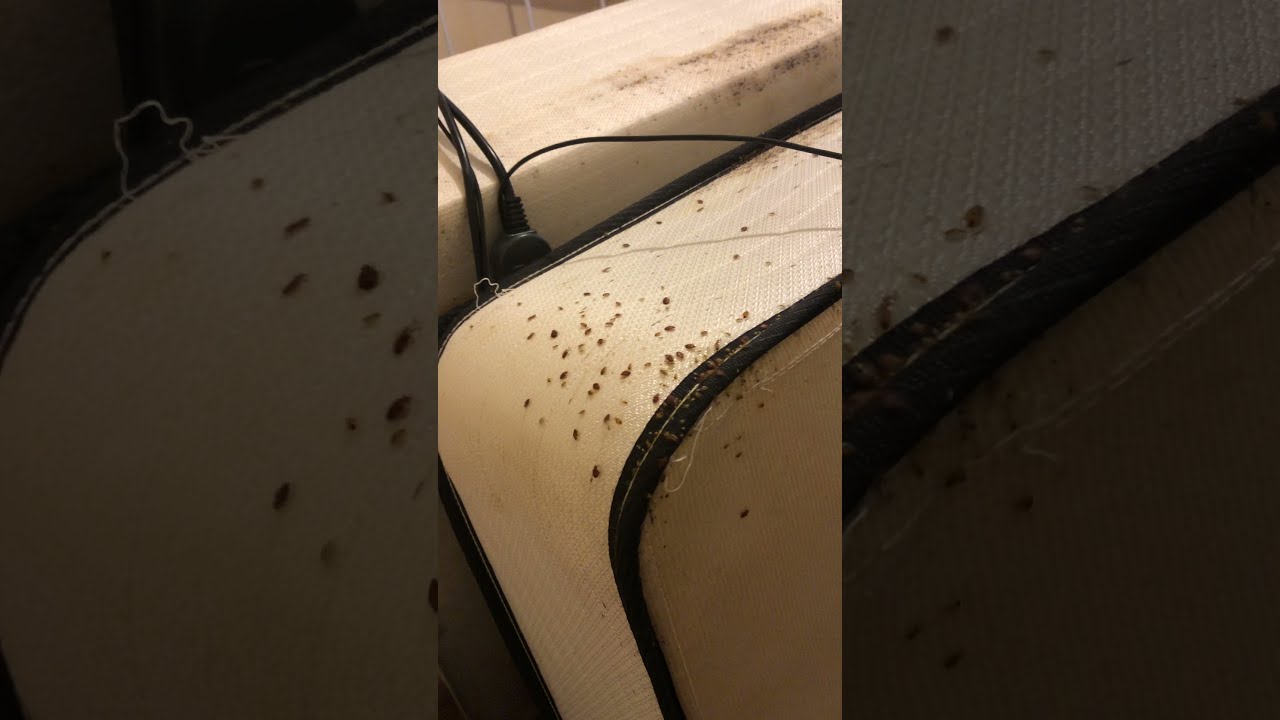
Clearance is not just lack of bites for a week. It is zero live activity in monitors and interceptors, no fresh fecal spotting on encasements, and no cast skins in sleeping areas. Ask how your bed bug removal company declares victory. The best answers are specific.
Red flags that raise final cost
Beware of quotes given sight unseen that bundle in every service a company owns. Bed bug fumigation near me ads sometimes pitch tenting for small, isolated infestations where heat or chemical would work better. If a provider refuses to explain their chemical rotation or cannot describe their dusting pattern for outlets and voids, they likely cut time where it matters.
Another red flag is the promise of a one product miracle. Real bed bug pest control solutions combine contact kill, residuals, and mechanical tools like encasements and interceptors. Also watch for scheduling gaps. An emergency bed bug exterminator who cannot return for 3 weeks after the first visit is not set up for true bed bug management service.
A lean, effective checklist to prepare for treatment
- Launder all clothing and linens on hot wash and high heat dry for at least 30 minutes, then seal in clean bags or bins. Clear baseboards and under bed areas, bag loose items, and label by room so they return to the same space after treatment. Pull beds and couches 6 to 12 inches from walls, disassemble frames, and remove drawers from nearby furniture. Identify and remove heat sensitive items, place valuables in a designated bin, and unplug non essential electronics. Plan for pets and people to be out of the unit for the duration of service, plus the cool down period for heat jobs.
This is the second and final list in the article.
Cost scenarios that actually save money
Case one, early detection. A couple notices bites in a guest room within a week of a relative’s visit. A bed bug detection service confirms three live nymphs and light spotting behind the headboard. The provider proposes a chemical only plan, residuals and dust, two visits for 650 dollars. The clients encase the mattress and add interceptors. Total downtime, two weeks. They saved at least 700 versus heat because the scope was small and the prep was perfect.
Case two, mid level apartment with clutter. A one bedroom shows live activity on the bed frame, couch seams, and along a shared wall. Chemical only would require three visits and meticulous behavioral changes. The resident works nights and struggles to prep. We propose a hybrid: room zoned heat on bedroom and living room at 1,200 dollars, with dusts and non repellents in the hall and kitchen. We add a third party laundry pickup for 120 dollars. One visit, plus a brief follow up inspection. Total still beats a failed chemical program that would likely require a fourth visit.
Case three, small hotel with two positive rooms. Management needs rooms back in service. A commercial bed bug exterminator brings a portable heat system, treats both rooms same day for 1,800 dollars, and sets interceptors plus trains housekeeping on inspections. They avoid revenue loss and avoid the reputational hit. Cost per room is higher than a residential visit, but downtime costs more than the treatment.
Building a plan that fits your space and your budget
A good bed bug control provider designs a plan around your layout and life. Bedrooms that share walls with neighbors need dusts in outlets and baseboard voids. Ground floor units with older wood trim benefit from steam plus residuals in trim joints. Seniors who cannot launder can use a bed bug sanitation service through the provider or a partner. Families with infants often choose heat plus encasements to minimize chemical exposure. Offices and retail spaces need after hours scheduling and discreet equipment placement.
Ask for options, not ultimatums. A seasoned professional bed bug exterminator will give you at least two viable paths. One might be cheaper up front, slower to clear, and fit for early infestations. The other might be faster, slightly pricier, and better for widespread activity. You decide with clear eyes.
Aftercare that keeps costs from creeping back
Once you have a clean slate, stay vigilant for 30 to 60 days. Keep encasements on for a year. Use interceptors under bed legs. Vacuum along baseboards weekly and check for new spotting on encasements. If you run a rental or manage a building, schedule quarterly bed bug inspection near me appointments for units with prior activity or high turnover. Preventive education pays, especially in buildings with shared laundry or frequent move ins.
If you travel, inspect hotel headboards and mattress seams, keep luggage on racks, and launder clothing on return. For purchases, avoid used mattresses and upholstered furniture unless they come from a trusted source with a bed bug detection service or heat chamber.
The bottom line on quality without overspend
Affordable bed bug extermination is not a myth, it is a methodical path. Start with inspection, choose the treatment that matches the spread and your tolerance for follow up, and invest effort where it saves the most, prep and access. Work with bed bug experts who share product names, schedules, and a warranty that makes sense. Use hybrids when they fit. Do not be seduced by miracle sprays or blanket fumigation when heat or targeted chemical will do.
If you do this, your “cheap” job will look like a professional job that happens to be priced fairly. The bites stop, the monitors stay quiet, and the bill matches the result. Whether you are a homeowner searching for a residential bed bug exterminator, a building manager coordinating a bed bug control company, or a small business owner who needs an office bed bug exterminator after hours, the same principle holds. Smart scope, disciplined execution, and honest communication. That is how you remove bed bugs fast without paying for the same problem twice.